2024 | 1st Edition
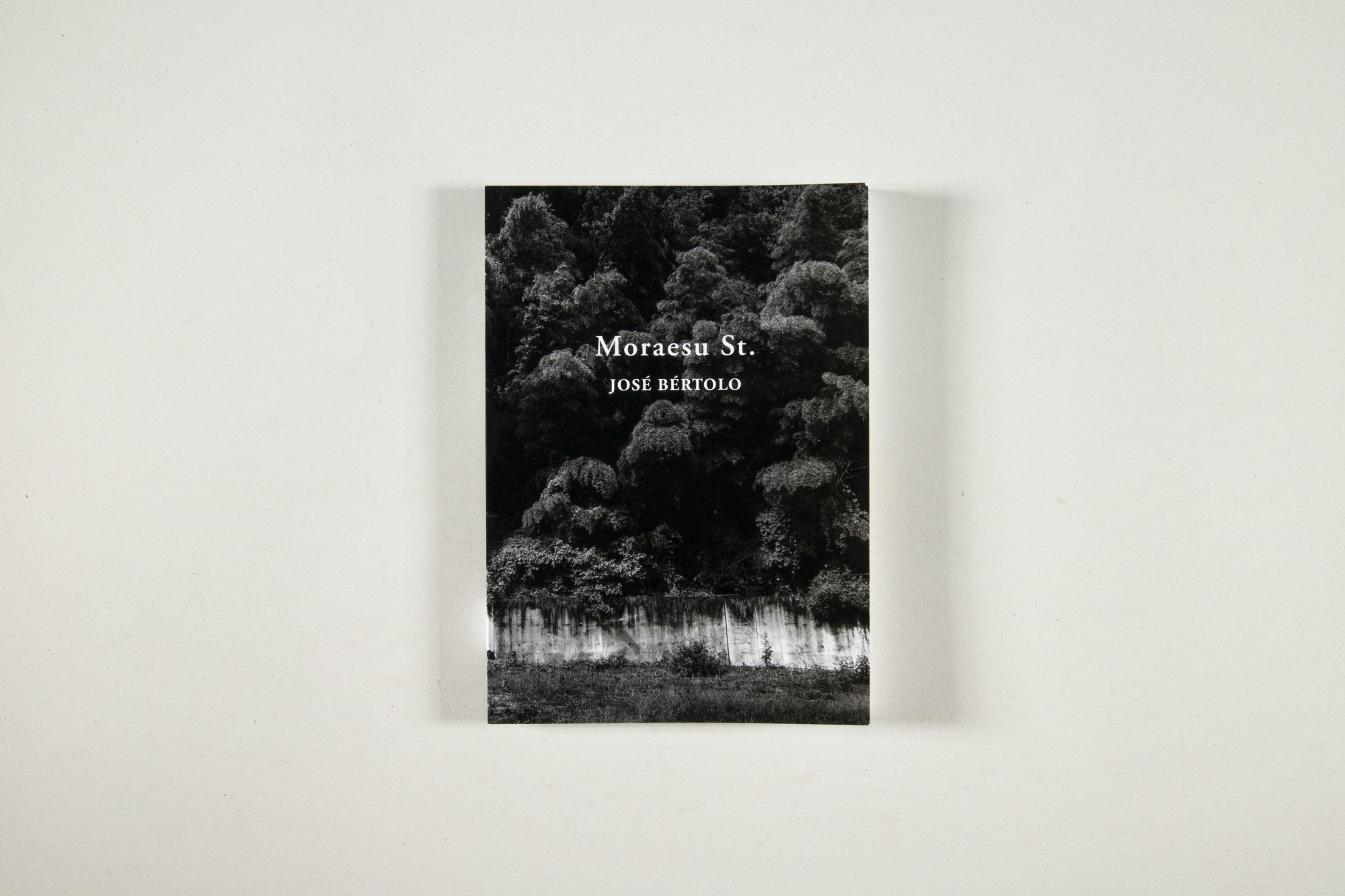
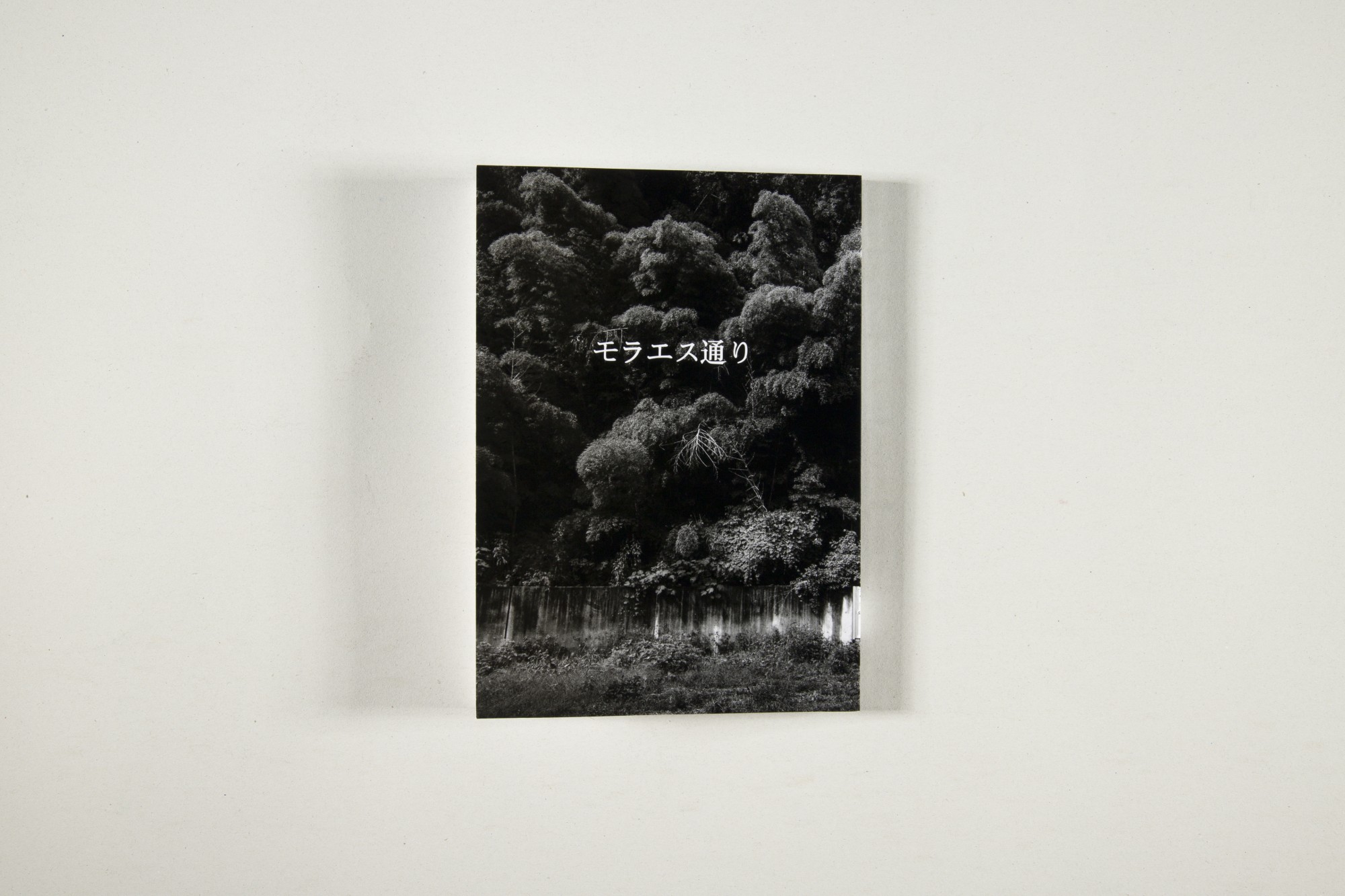
Moraesu St.
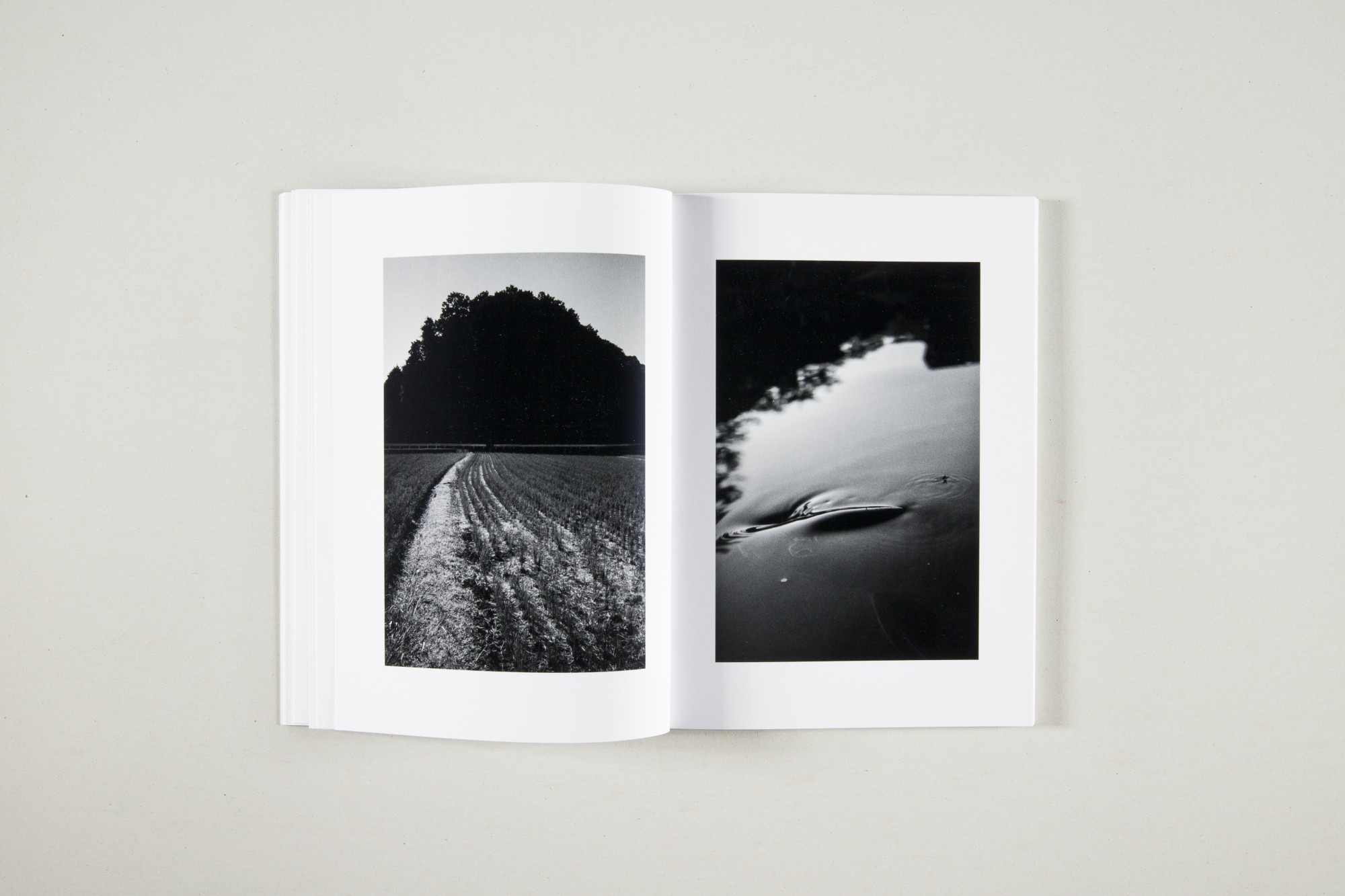
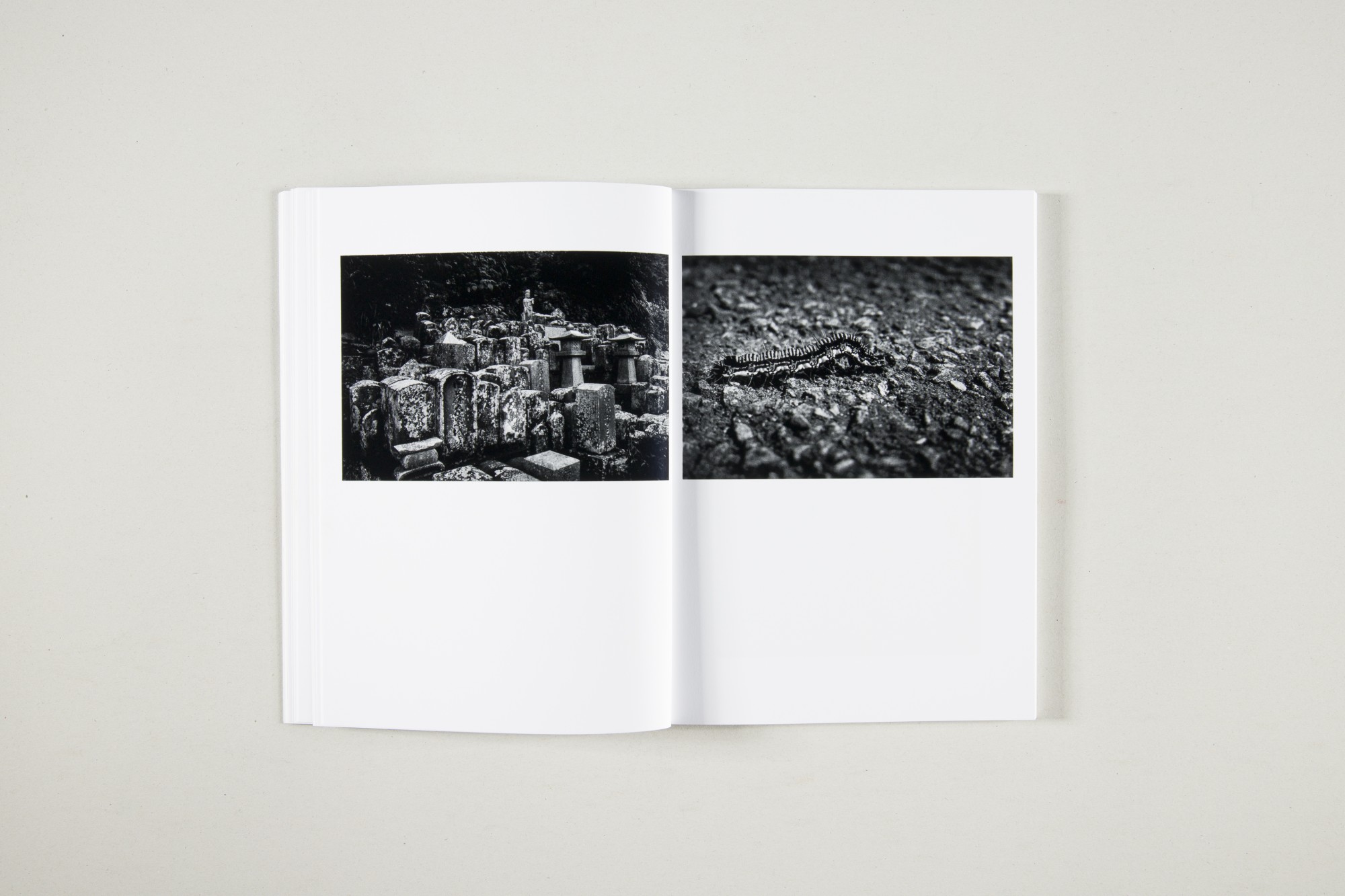
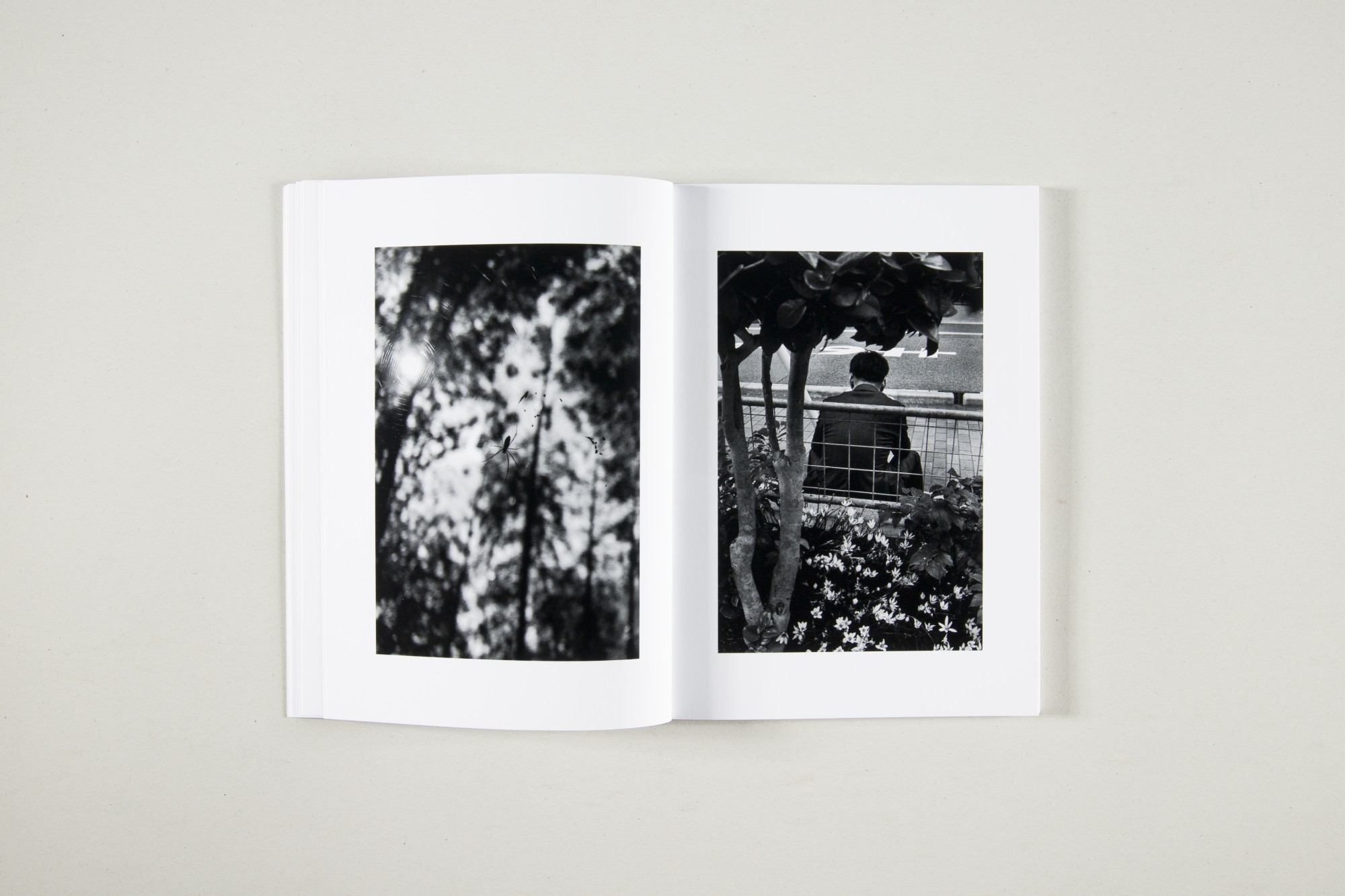
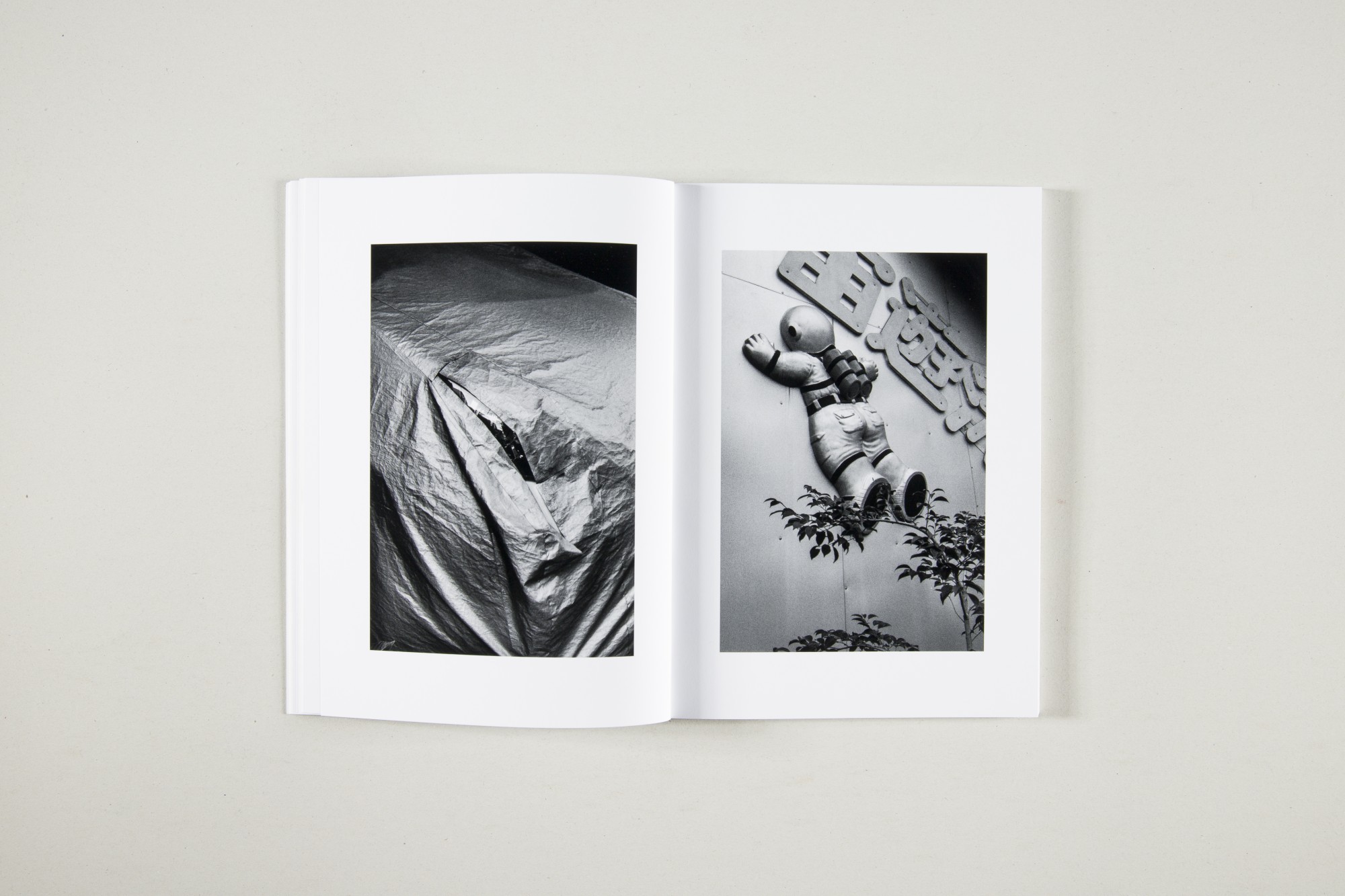
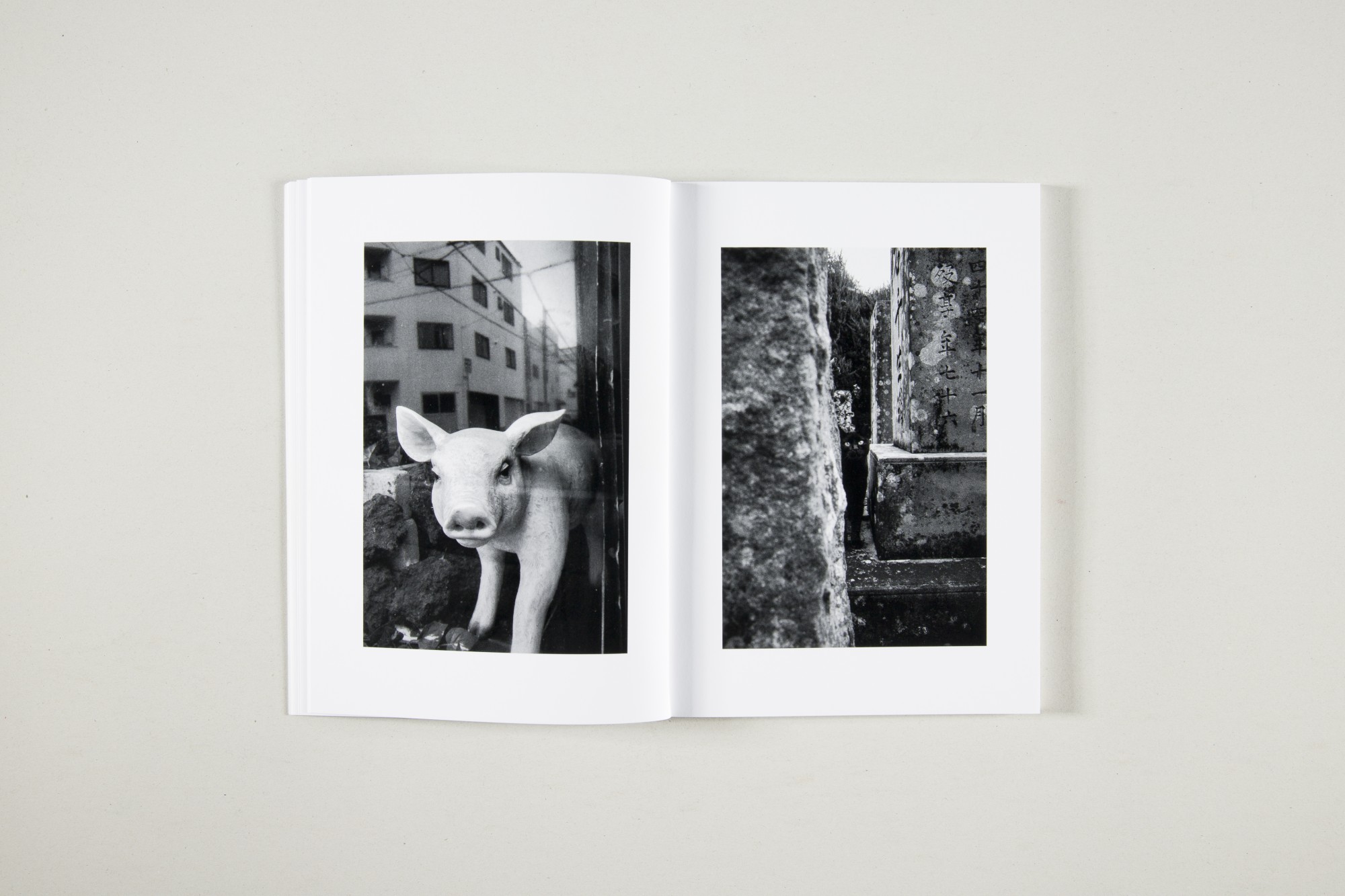
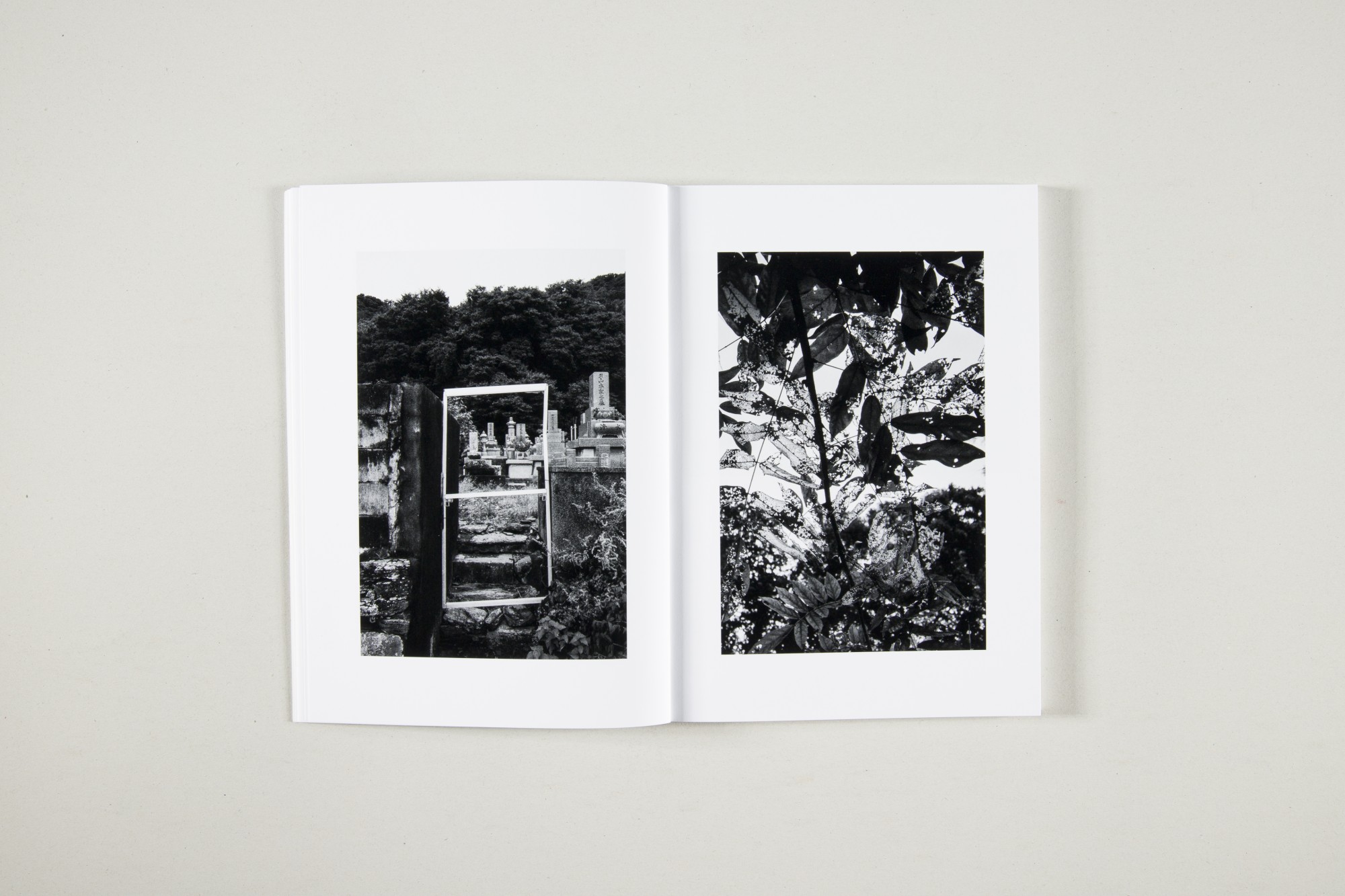
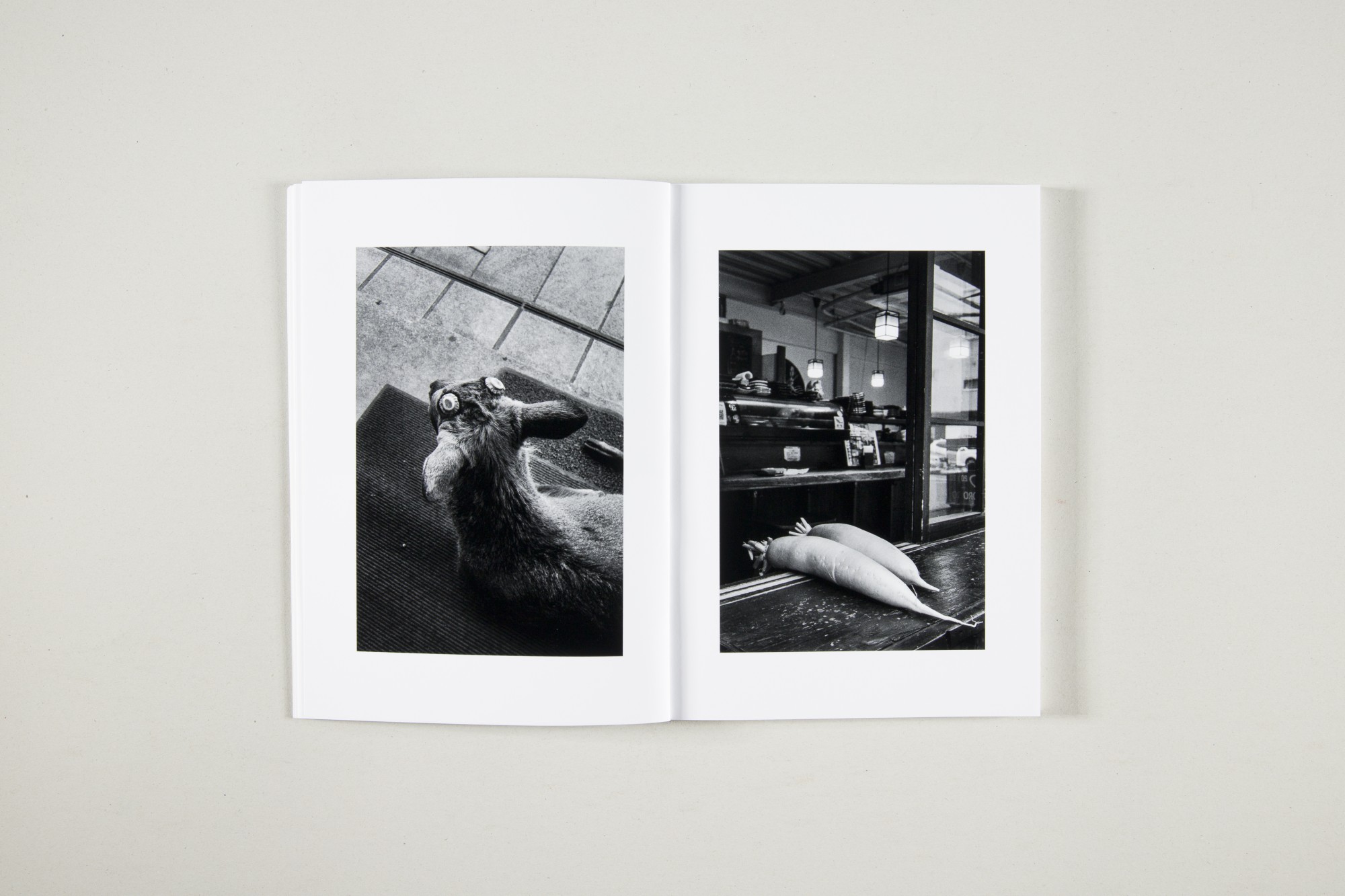
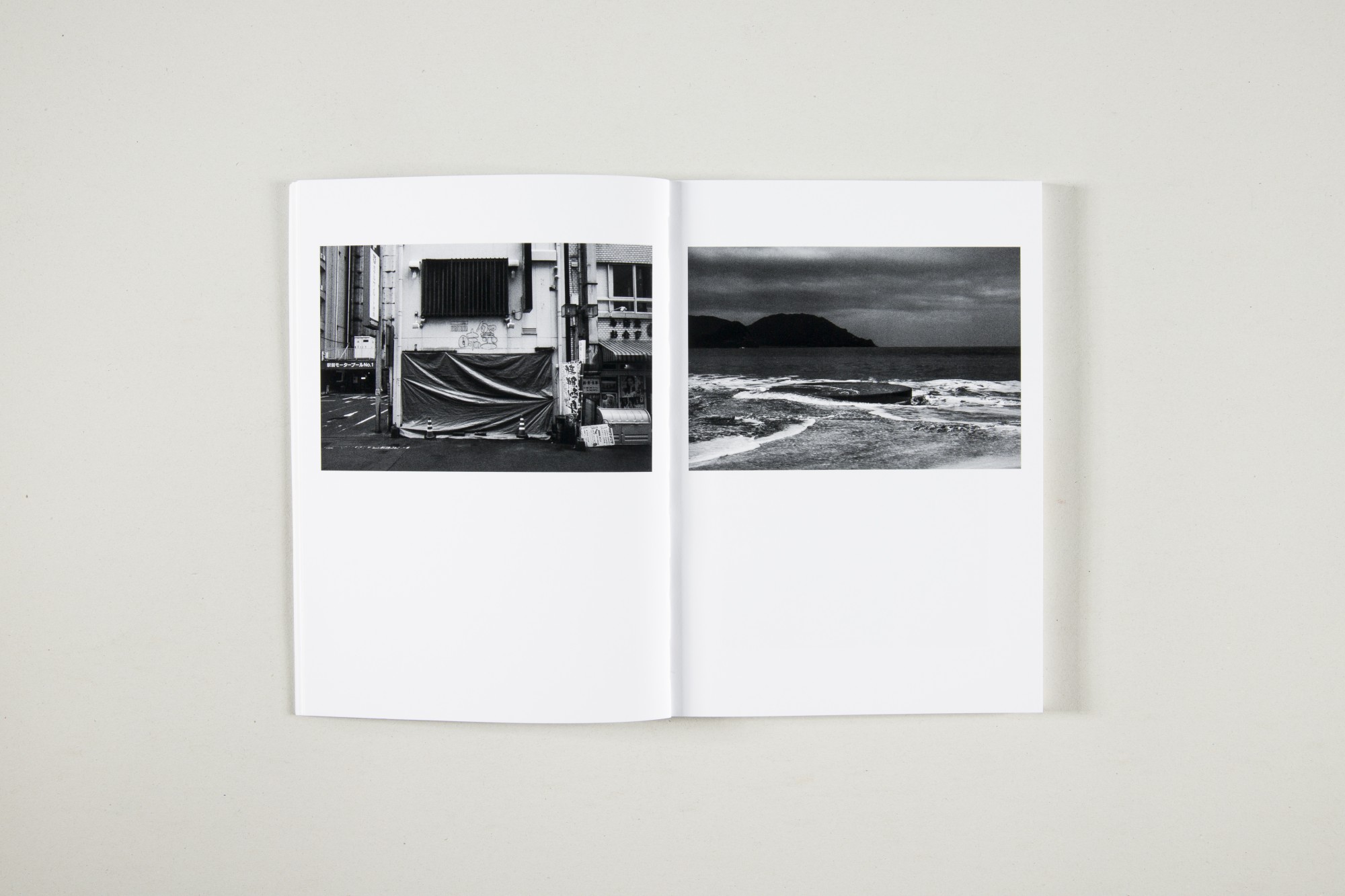
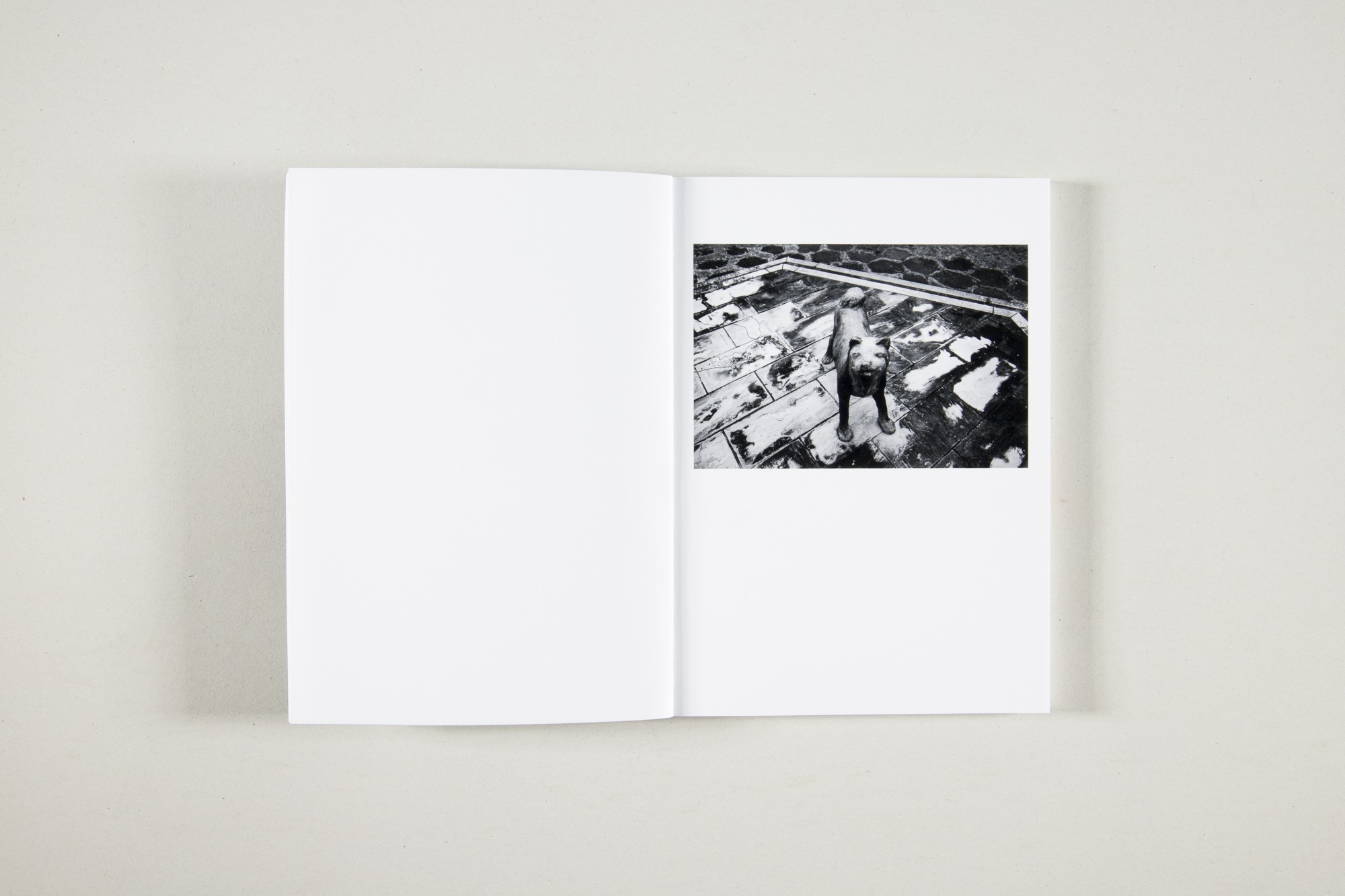
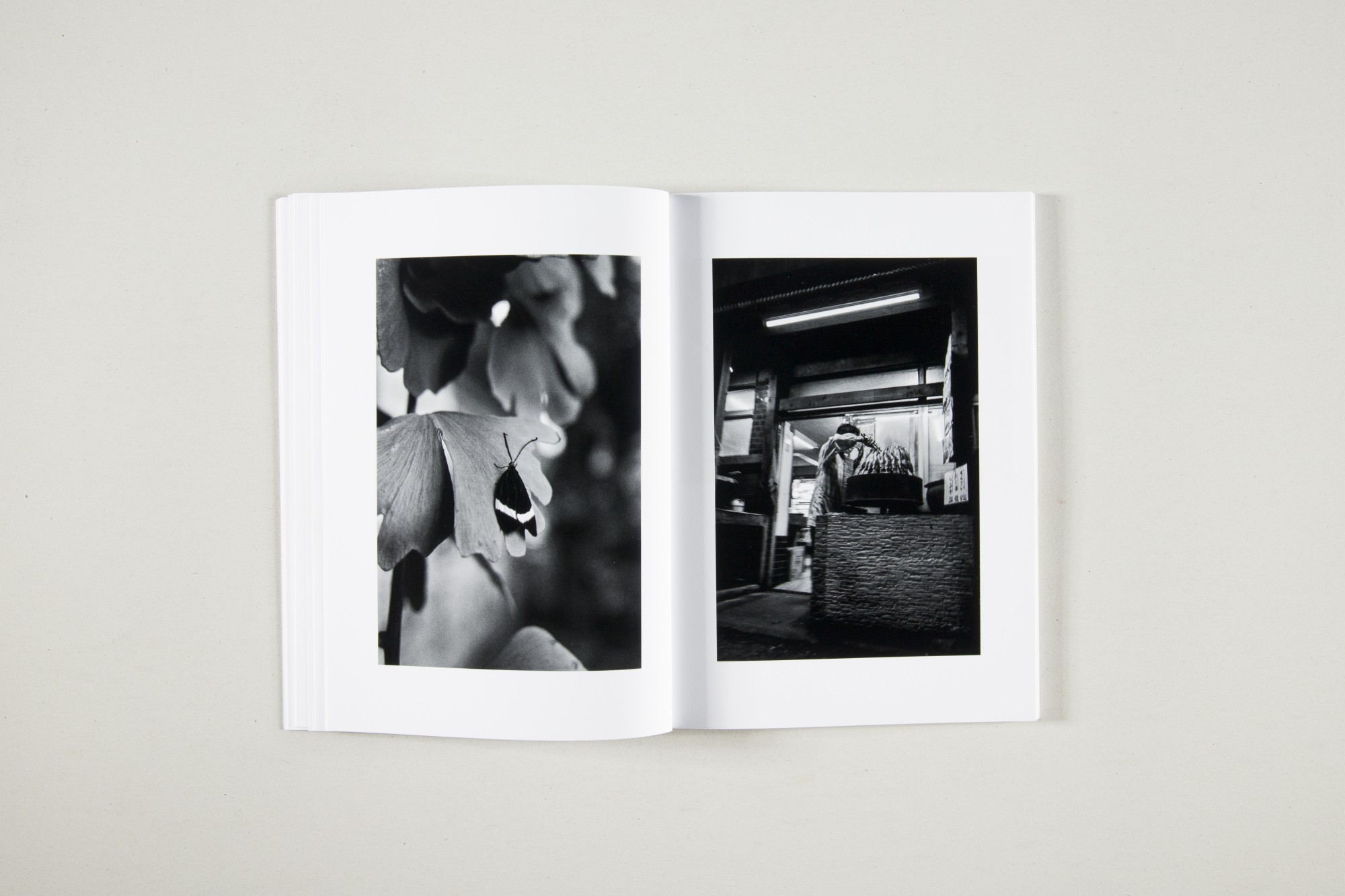
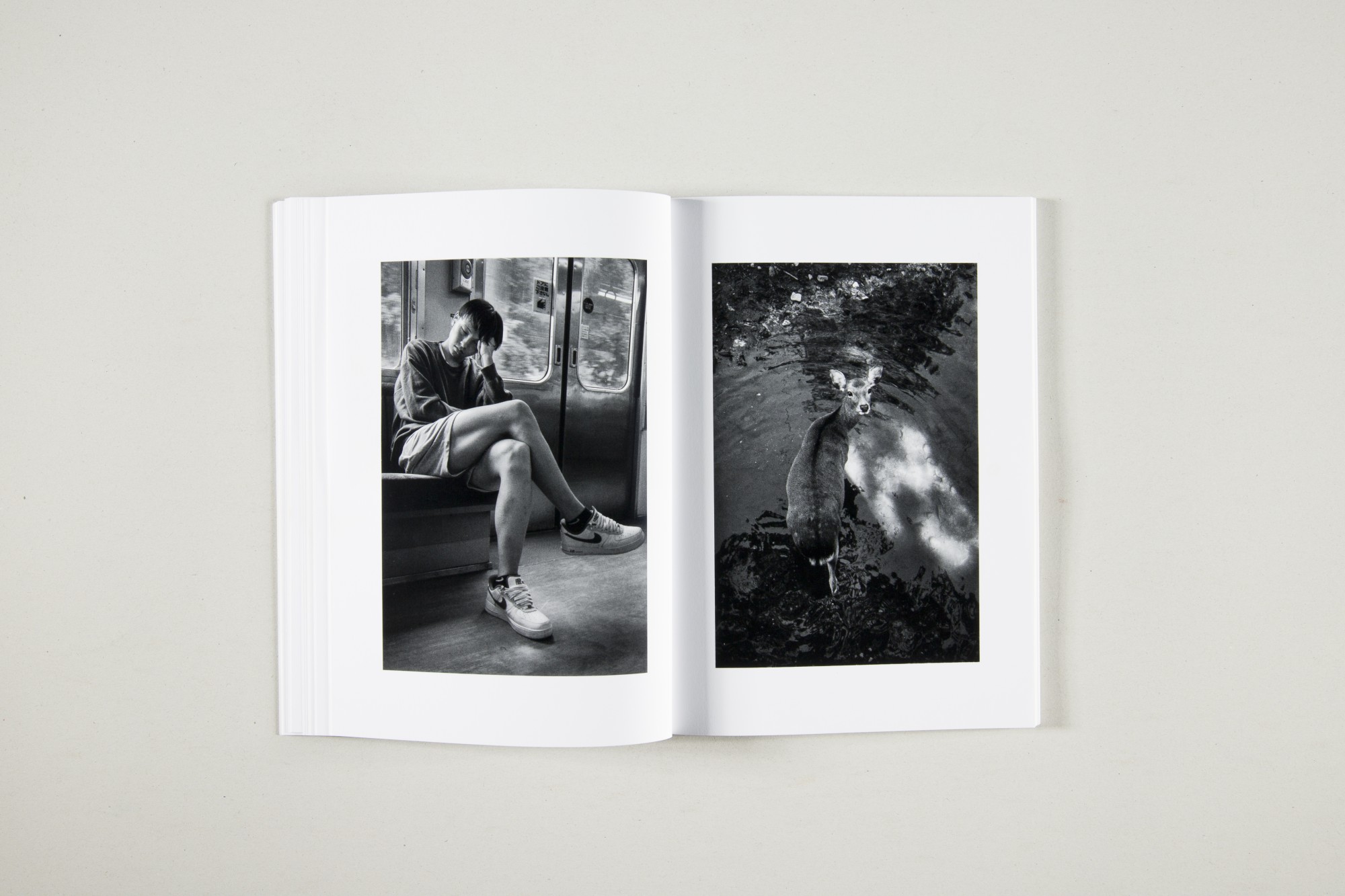
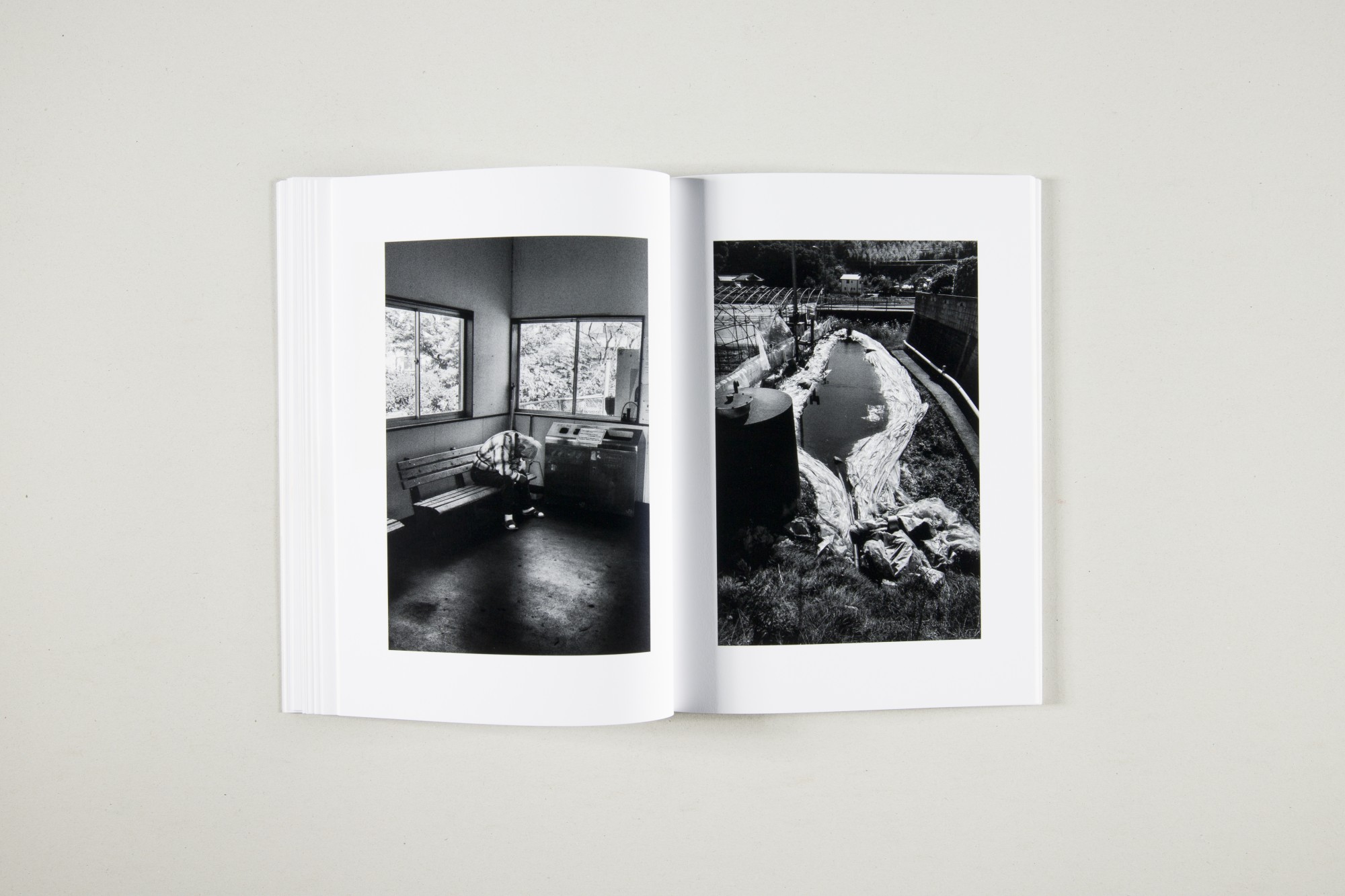
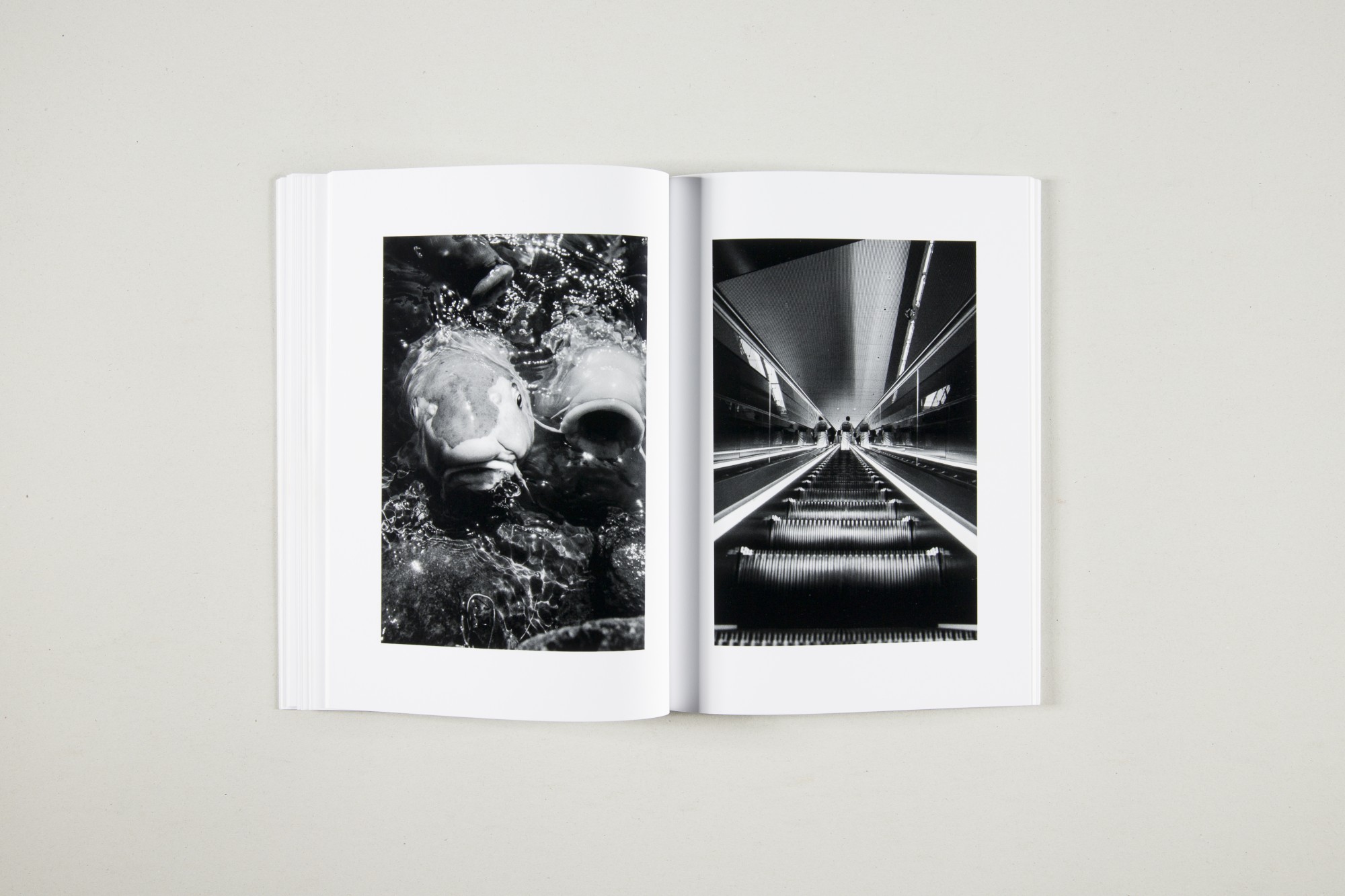
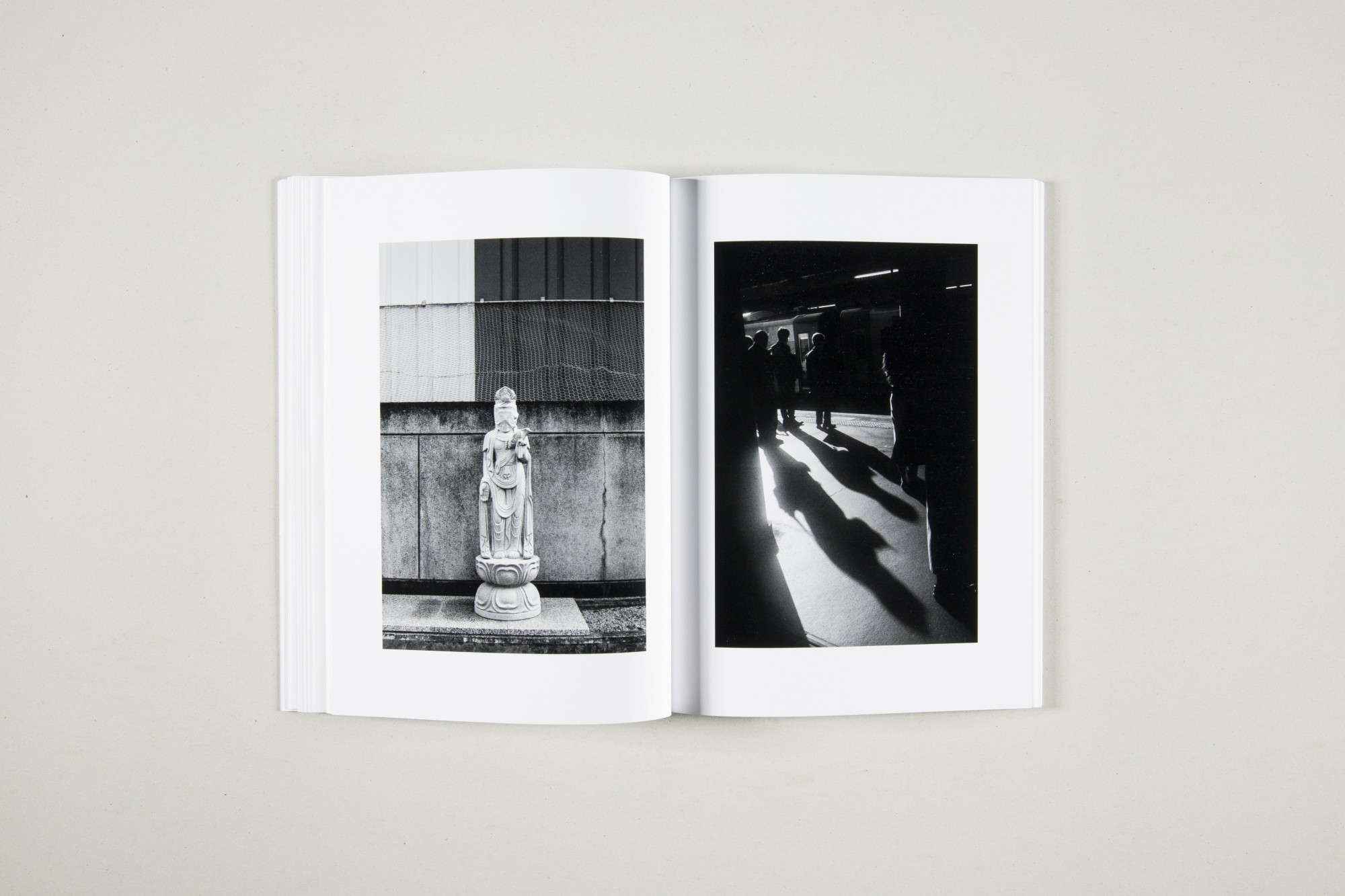
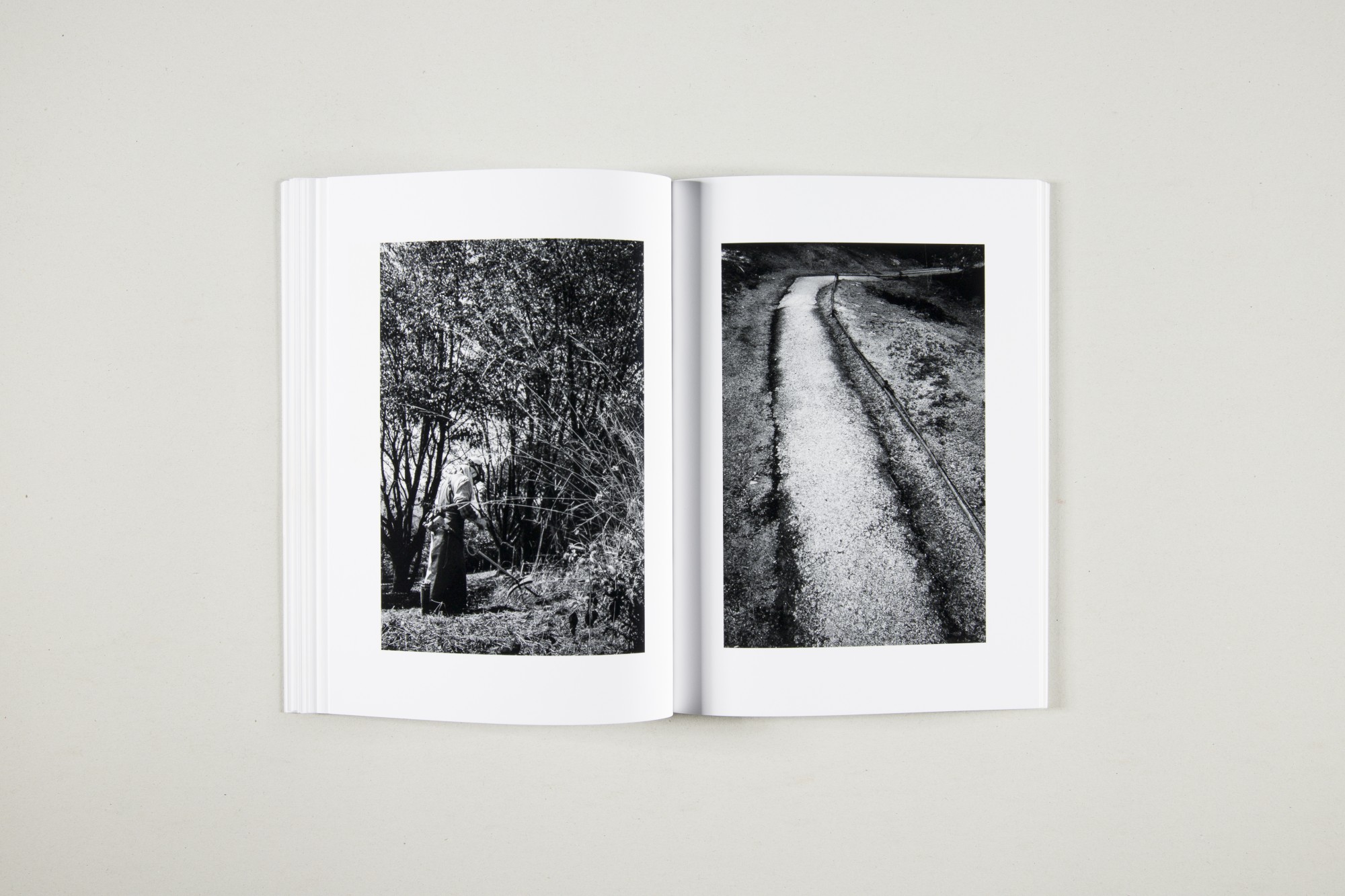
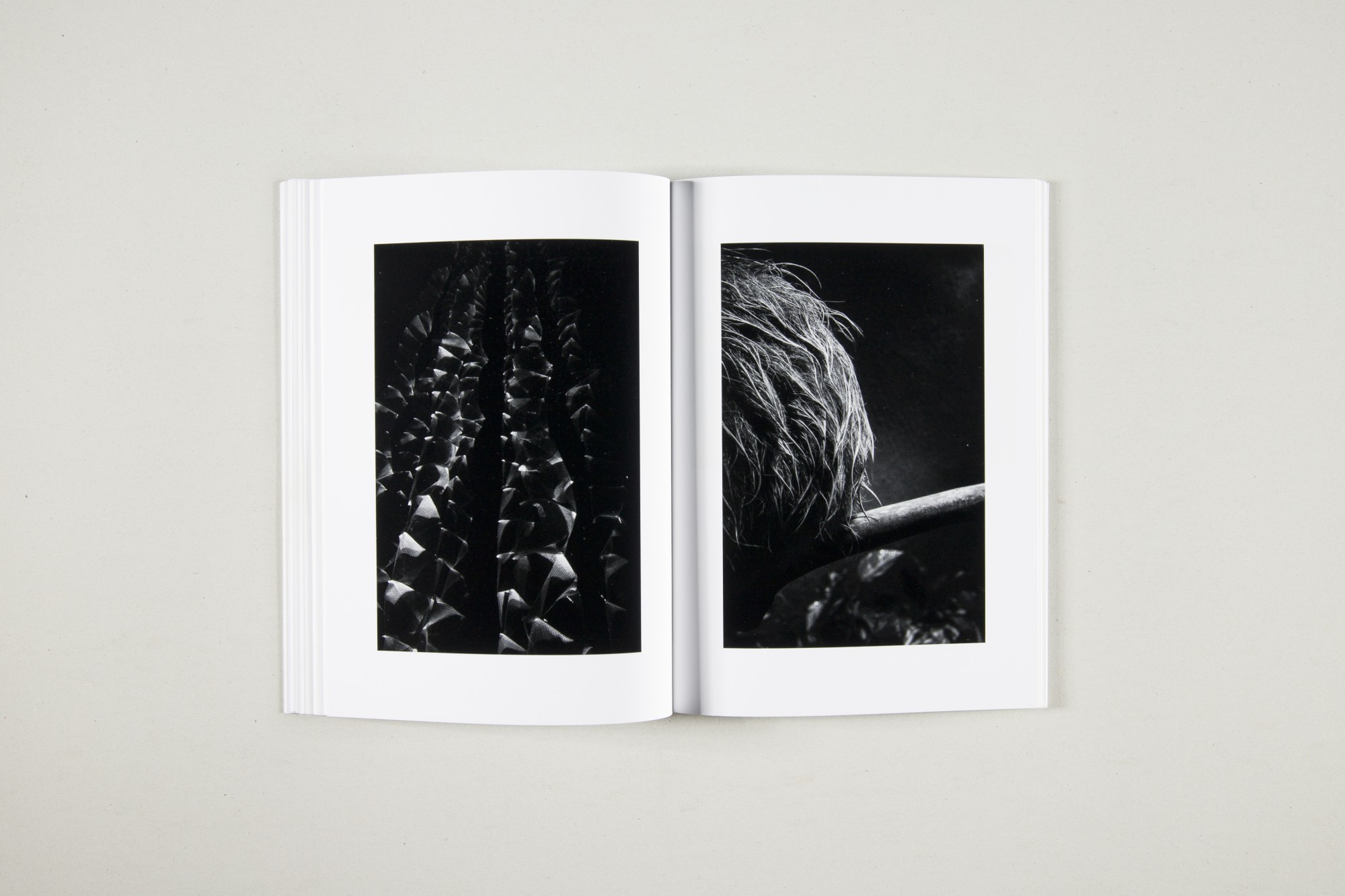
Moraesu Street is a street in Tokushima where the Portuguese writer Wenceslau de Moraes (1854–1929) spent the last sixteen years of his life. Japan was a place of fascination and refuge for Moraes. He was fascinated by its culture, customs and people; it offered him refuge from a highly industrialised, war-torn West with which he could not identify. But, unable to integrate into the closed Japanese society either, Moraes lived in Tokushima as if living outside the world. A widower for the last ten years of his life, he devoted the remainder of his days to the memory of his two deceased wives, to contemplating nature, and to writing texts which he sent for publication in Portugal. Today, his grave and those of his two wives, Ó-Yoné and Ko-Haru, can be visited in a small cemetery in Tokushima. Moraes lived haunted and would go on to haunt his readers. The diplomat Armando Martins Janeira and the filmmaker Paulo Rocha travelled to Japan in the 1950s and 1980s to follow in Moraes’ footsteps. This journey resulted in works such as the book *Peregrino* by the former, and the film *A Ilha de Moraes* by the latter. *Moraesu St.* is José Bértolo’s response to the challenge posed by these spectral journeys. This book of photography stems from a visit to Japan — Tokushima, but also Kobe, Osaka, Kyoto and Nara — during which the photographer retraced the same paths as Moraes, Janeira and Rocha, producing a reflection on photography as the ‘language of the dead’, as Moraes wrote.
Title: Moraesu St.
Edition: 1ª
Number of pages: 104
Year: 2024
Country: Portugal
City: Lisbon
ISBN/ISSN: 978-989-568-143-3
Width (mm): 170
Height (mm): 240
Cover type: Soft Cover
Bind types: Perfect Binding
Print types:
Content notes: The book contains a text by the author in portuguese qith english and japanese translations