2021 | 1st Edition
Rachador - A tribute to the wickerwork artisan of Camacha
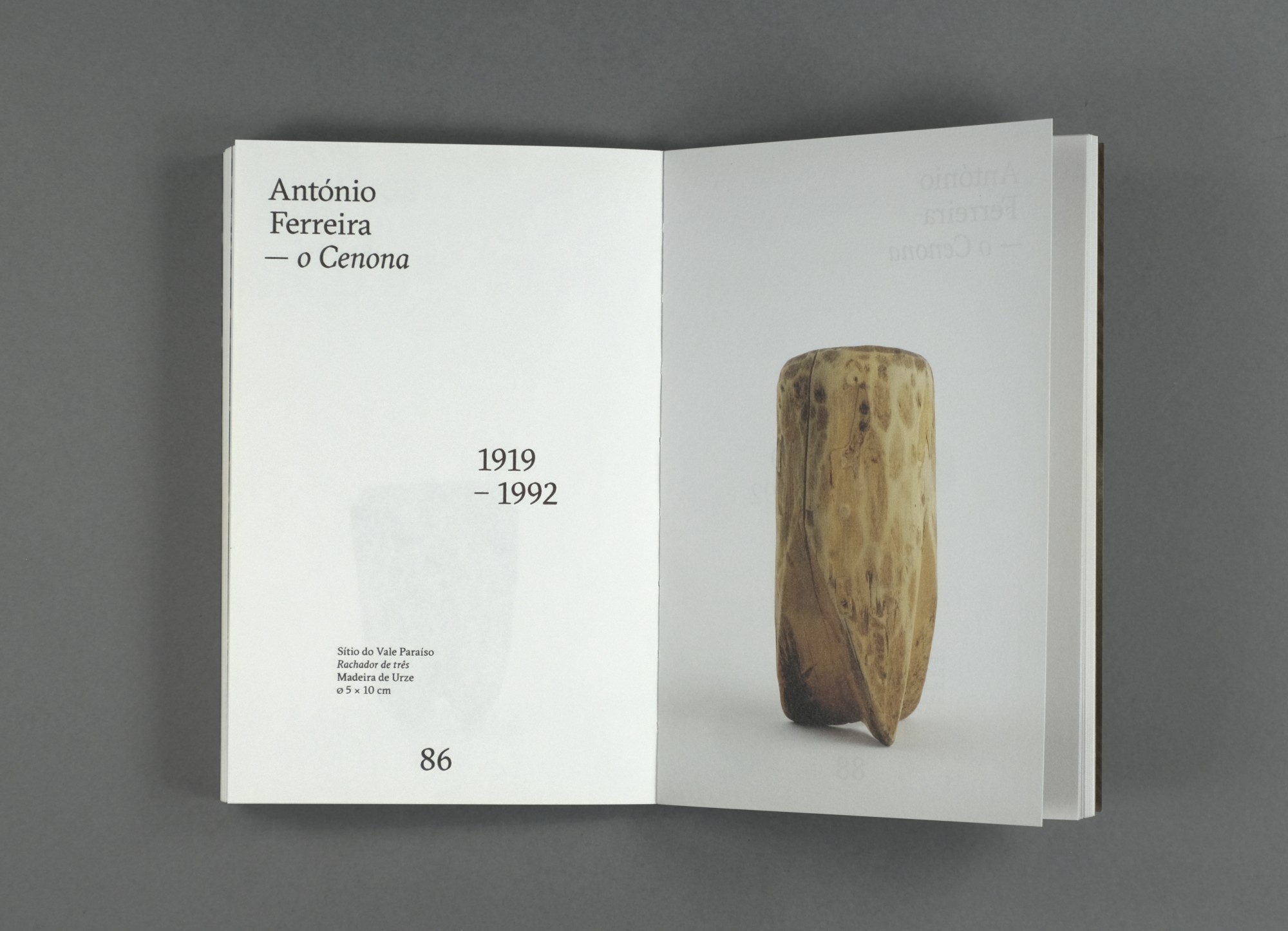
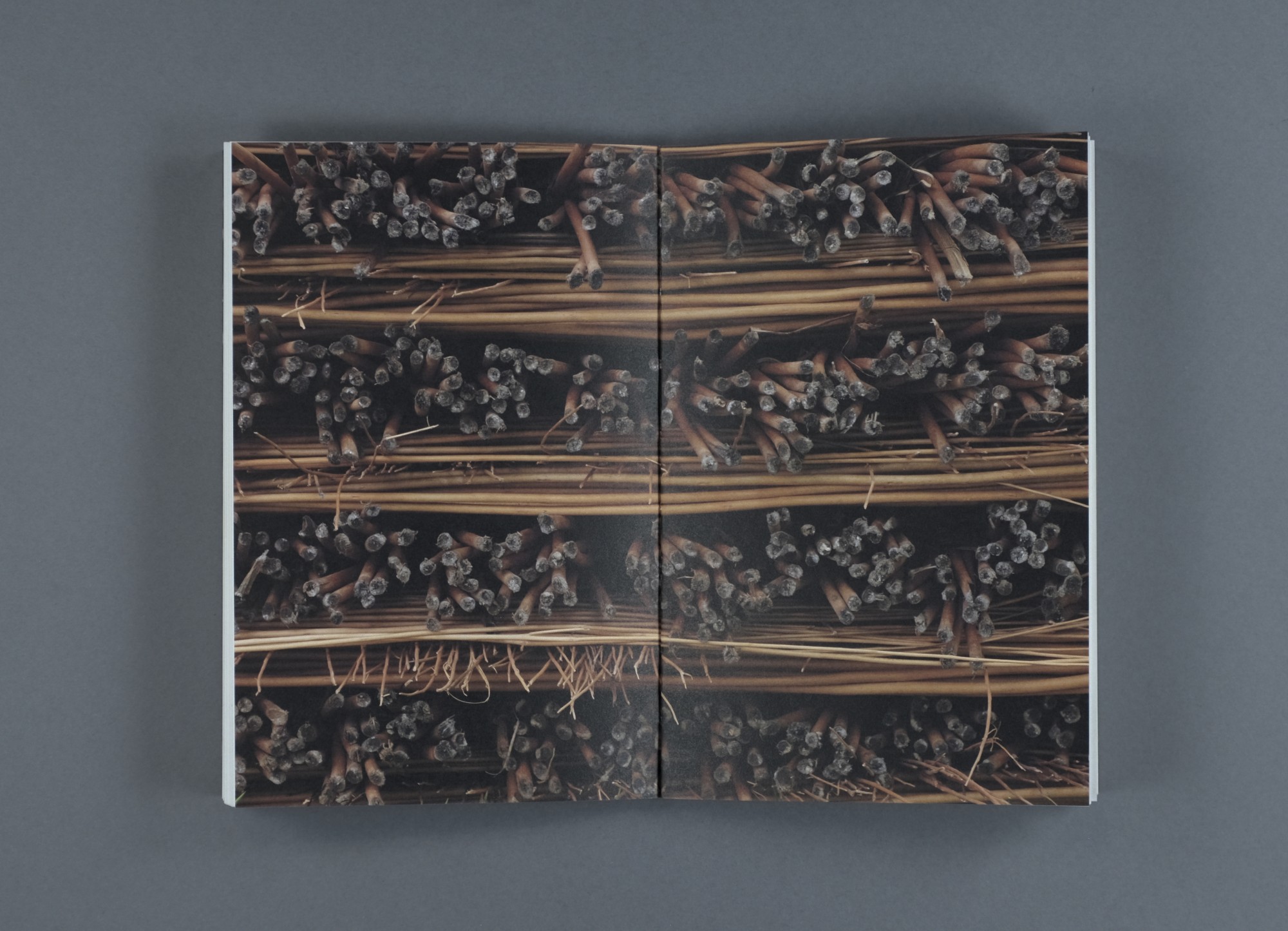
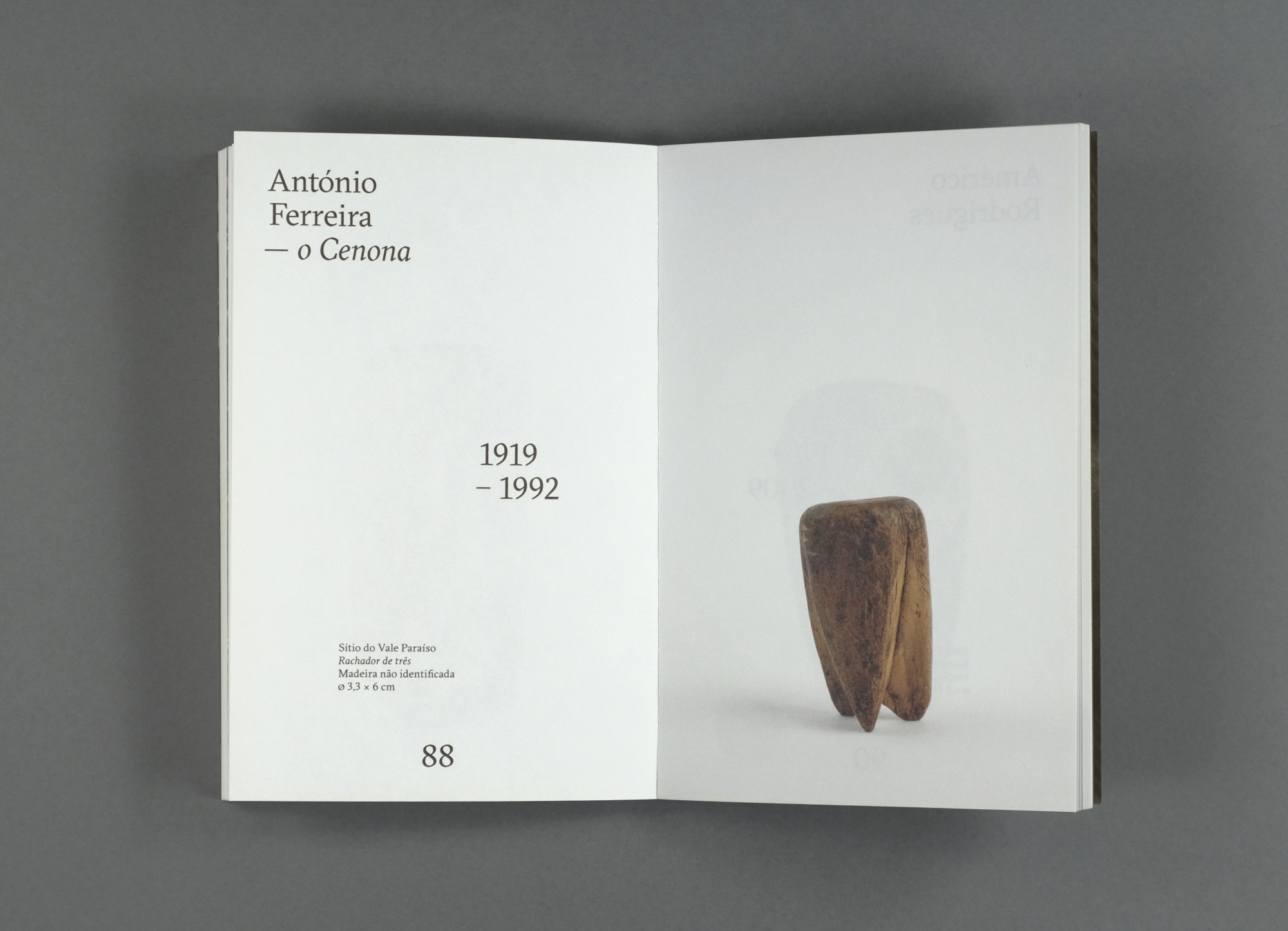
The wicker industry in Camacha was, until the mid-20th century, one of the main economic activities of this mountain village, and its social importance was such that entire families drew their main livelihood from it, alongside agricultural work. From the fields to the “work tent,” much effort and perseverance were required to create such utensils, known by many — especially outsiders — for their high quality and perfection. Yet, the earnings were always meager, and the body always paid a heavy price. The hand is the tool, the engine of all transformation, and to it are joined the billhook, the awl, or the hammer. However, it is the splitter that, among the various tools, captures my interest — not only because it is an object carved in wood (from pear, heath, or beech, among others) by each craftsman to fit the shape of his hand and serve as an extension of it, but also for its form and function. This cylindrical object, slightly rounded at the top and with incisions along its sides, was all that was needed to skillfully — yet with the required mastery — divide a willow rod into three, sometimes four parts (depending on its thickness), thus obtaining the “liaça.” It is a rudimentary tool that condenses, through its form and use, various symbolic dimensions that I wish to consider in conceiving a sculptural object capable of reflecting the complex context in which this activity existed. I am particularly interested in the fact that the splitter is, above all, the result of practical knowledge whose typology was passed down from generation to generation, as well as in the material coincidence we can establish between the rod of a willow — Salix viminalis — and the stem of another woody plant. This combination, even indirectly, evokes a landscape heritage and contextualizes a broader relationship between humans and nature. Its predominantly triadic configuration may hold a temporal connotation (past, present, and future), evoke the Ages of Man (youth, adulthood, and old age), or represent the cycle of life (birth, growth, and death). It is important to reflect on the body’s action and the processes at the origin of this craft, and from there create a landmark — a place of celebration of both the individual and the collective. This collection of found and recorded splitters contributes to a deeper involvement of the community linked to this commemoration, granting it identity, collective memory, and emphasizing the importance of its preservation at the ethnographic level. Hélder Folgado
Title: Rachador
Edition: 1ª
Number of pages: 152
Year: 2021
Country: Portugal
City: Santa Cruz
ISBN/ISSN: 978-972-98668-9-0
Width (mm): 115
Height (mm): 175
Cover type: Soft Cover
Bind types: Stitched Folios
Print types: Offset